Portland & Surrounding Oregon  ·  Licensed, Bonded & Insured  ·  CCB# 214684
15+ Years · Jesse Answers Every Call (503) 432-9093
Roof Cleaning & Eco-friendly Moss Treatment

The safe way to get moss off a Portland roof, without wrecking the shingles doing it.

Moss doesn't just make a roof look neglected — left alone, it holds water against the shingle, lifts and separates them, and starts the same breakdown process nature uses on a fallen log. We remove it with an OMRI-listed organic treatment, never zinc, bleach, or peroxide, and every job ends with a photo-documented inspection emailed to you.
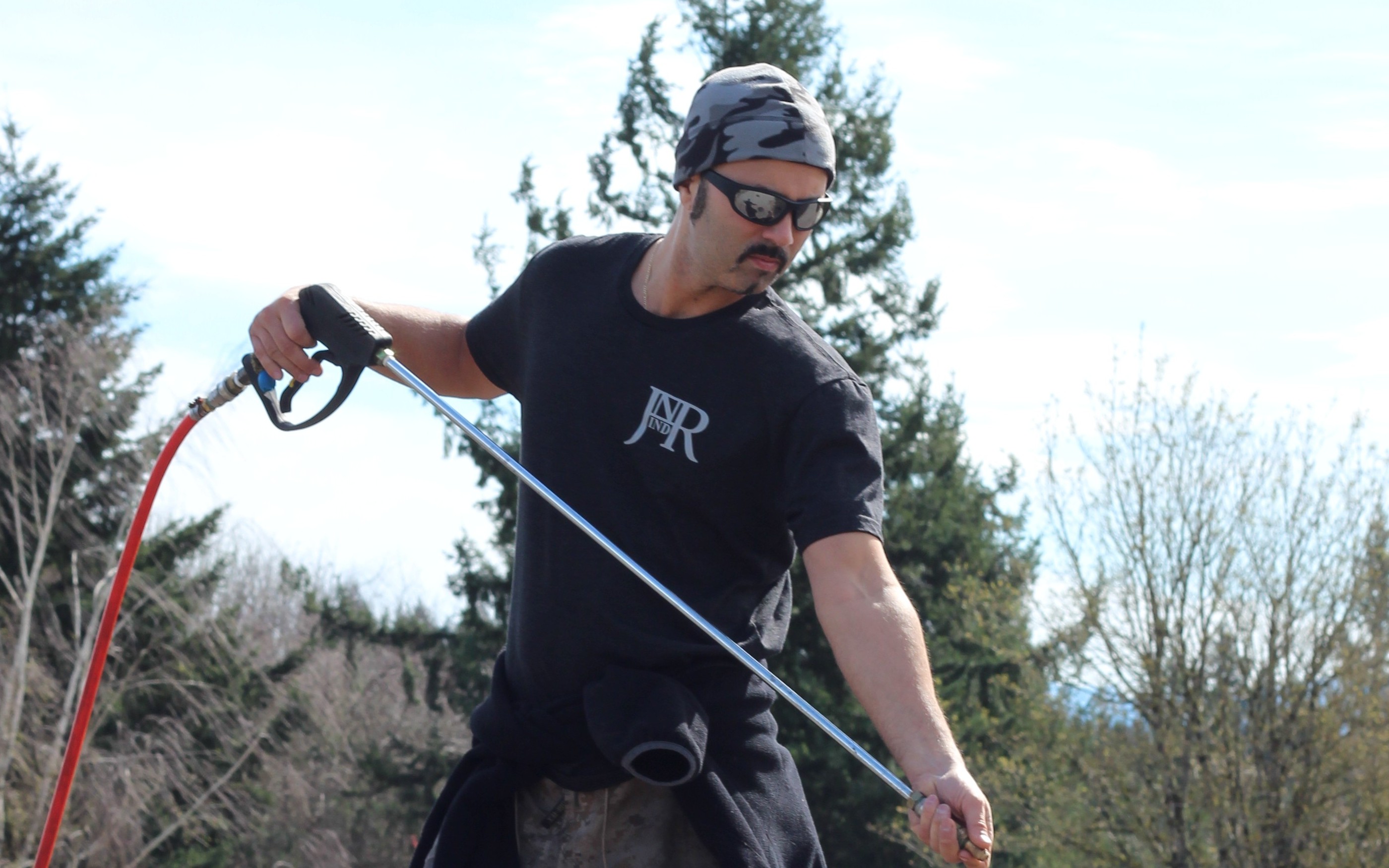
Jesse from JNR Industries applying eco-friendly moss treatment on a Portland roof, spray wand in hand
No Zinc or Bleach
Hand-Brushed & Low-PSI
Photo Report Emailed
Safe for Plants & Pets
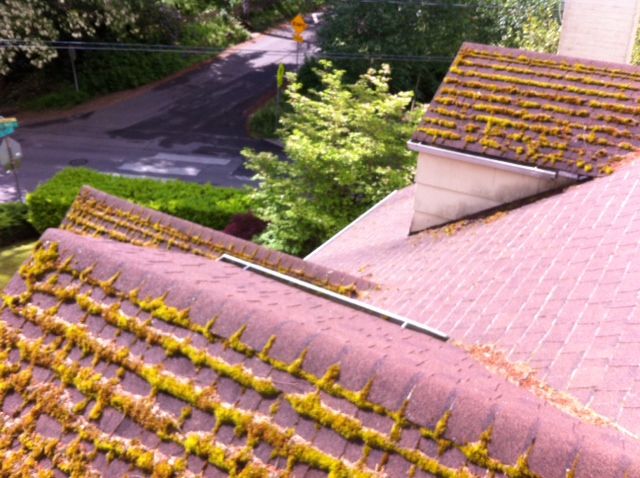
Thick moss growth lifting composition shingles on a Portland-area roof
The Damage Moss Causes

Moss doesn't just sit there. It works your roof apart.

Portland's wet climate is about as good for moss as it gets, and moss is genuinely rough on a roof. It holds water directly against the shingle instead of letting it run off, and as it spreads it lifts and separates shingles from each other — the exact seal that's supposed to keep water out. Left long enough, that's the kind of damage that ends in a full roof replacement instead of a cleaning.

We think of moss and lichen as nature's first step in breaking down a structure — the same process that turns a fallen tree into soil, just starting on your shingles instead. Removing it early is what keeps it from getting that far.

  • Retains water against the shingle and separates shingle seams over time
  • Often required by insurance companies and home inspectors before a sale closes
  • Makes a house sell quicker, and often for more, once it's off
  • Regular maintenance is the single best thing you can do for a roof's lifespan
What We Use, And What We Don't

An OMRI-listed organic treatment. Not a shortcut chemical.

Jesse holds an Oregon Dept. of Agriculture Commercial Chemical Operator license (#AG-L1007486CPO), required to apply roof treatments like this professionally — this isn't a garden-hose product.
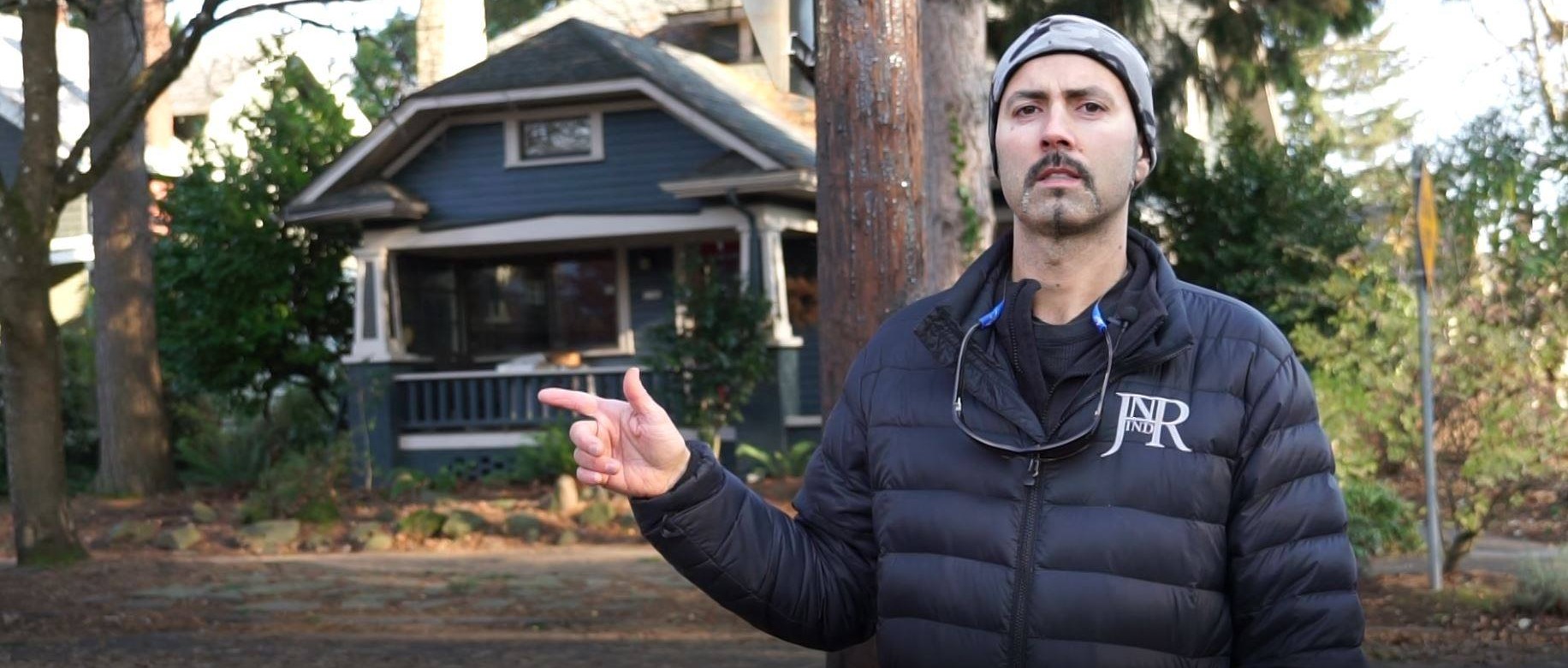
Jesse from JNR Industries on-site pointing out a roof moss issue to a Portland homeowner

Every roof gets eco-friendly moss treatment sized to what that roof actually needs — we take off what's best for the shingles, not what looks the most dramatic — followed by an OMRI-listed organic treatment. The active ingredient is potassium salts of fatty acids, basically a plant-based soap, blended with biodegradable surfactants that help it grip the roof and keep working instead of rinsing off in the first hard rain.

It's US-made, and it's labeled safe for waterways, fish, gardens, plants, and animals — not just "safer than bleach." Compare that to zinc sulfate, the other product you'll see recommended for moss: it's a fine powder that mostly rinses off in the first hard rain, and it's genuinely toxic to breathe and rough on plants and animals. We don't use it, and we don't use bleach or peroxide either.

For roofs with black mold or algae staining that brushing alone won't lift, we've also got a low-pressure wash in the toolkit — gentle enough that Jesse can hold his hand in front of the nozzle while it's running, which tells you it's not tearing up granules the way a rental pressure washer would.
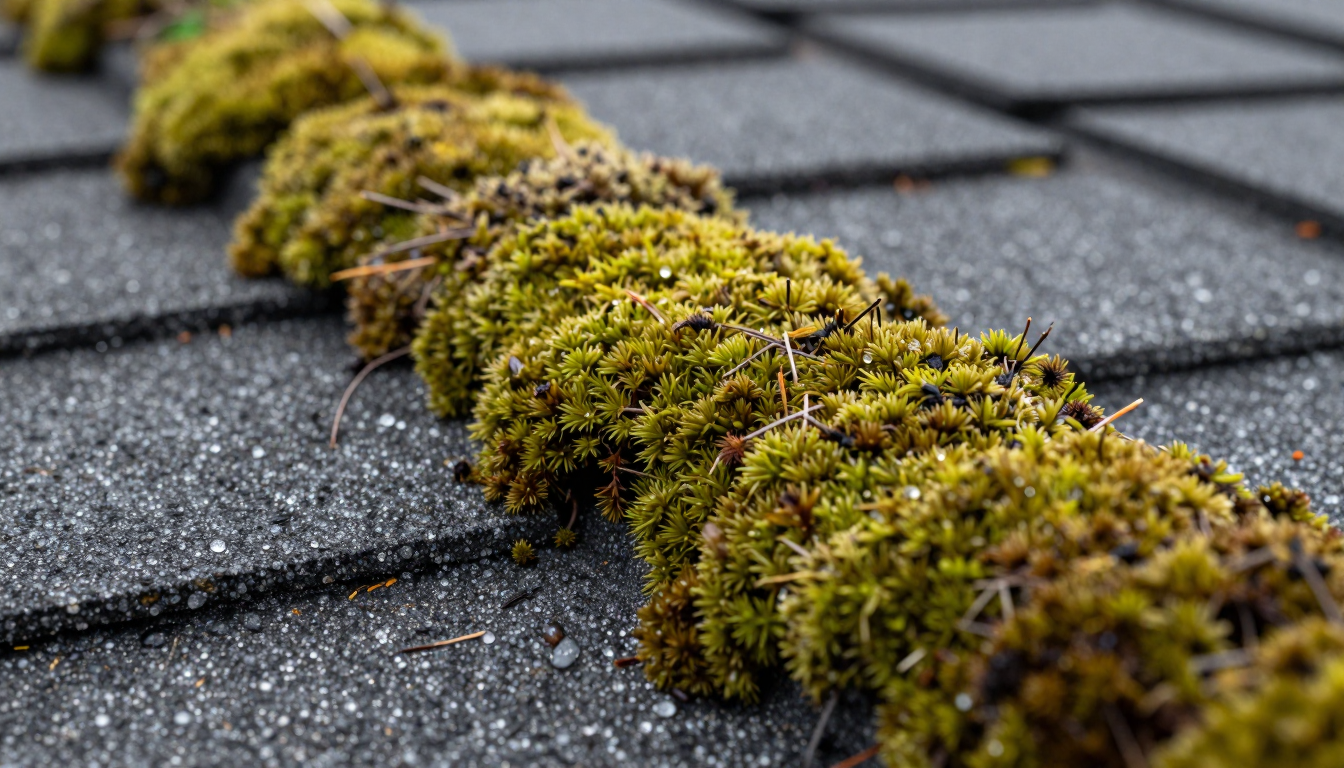
Close-up of moss working into shingle lines on a composition roof
Moss working into the shingle lines

Why we don't sell zinc strips.

Jesse's blunt about them: "I don't know how they can legally be sold. They don't work, they have to be put in with nails, they break, look ugly, make noise." Zinc strips get recommended online as a low-effort fix, and we don't believe they work. You're driving nails into your roof just to hang them — nail holes on a roof are never a good trade for a strip of metal that may not even do much.

Annual treatment paired with regular gutter cleaning is the best way we've found to keep moss off, and it's the healthiest thing for the roof — no nails, no gamble on whether a metal strip is actually working.

What's In The Tank

  • OMRI-listed organic moss & algae treatment
  • Potassium salts of fatty acids (a soap, not a poison)
  • Biodegradable surfactants for grip and longevity
  • Low-pressure rinse for mold & algae staining

What We Never Use

  • Zinc or zinc sulfate
  • Bleach
  • Peroxide
  • High-pressure blasting that strips granules
How A Cleaning Job Goes

From first look to your inbox.

01

Assess

We check shingle age and condition, how dense the moss is, and where water actually drains, and flag any leak-risk spots before any spraying starts.

Most estimates are done remotely from satellite imagery — see our estimate process.
02

Treat

We apply the OMRI-listed organic treatment first, giving it time to loosen the moss's hold on the shingle so removal doesn't tear granules loose along with it.

03

Remove

Once the moss lets go, we clear it by hand and low-pressure rinse — never a high-pressure blast that strips granules along with the moss. Gutters get cleared in the same visit.

04

Inspect & Photograph

With the roof clean, we walk it a second time and photograph anything worth flagging — soft spots, worn flashing, granule loss — the same look a home inspector would give it.

05

Report Emailed

You get the full set of photos and our notes sent to your inbox, so you're seeing exactly what we saw — not just hearing about it secondhand.
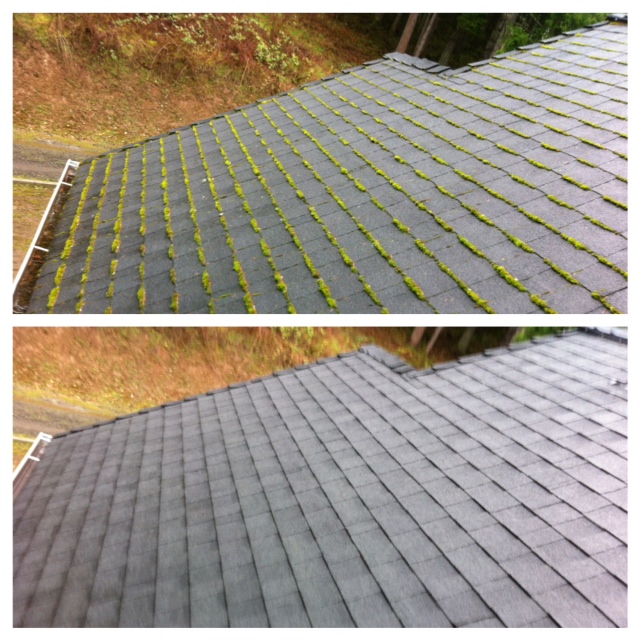
See It For Yourself

Real Portland roofs, before and after.

Stacked before and after photo of a Portland roof — moss-striped shingles above, fully clean below

Before & After — Full Eco-friendly Moss Treatment

Composition shingle roof heavily covered in green moss before cleaning

Heavy Moss Coverage, Before

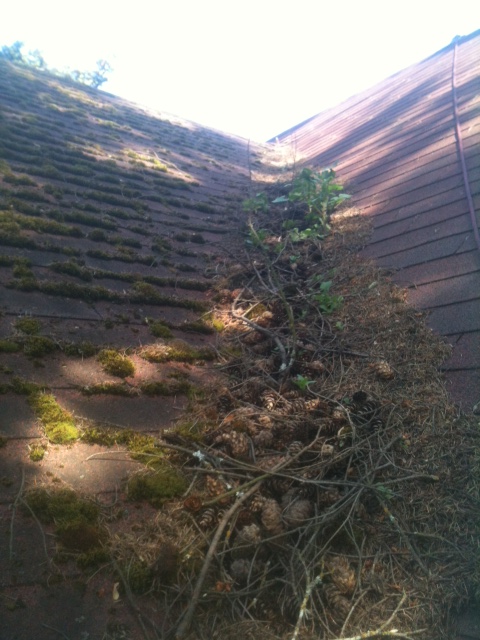
Roof valley clogged with moss, twigs, and plant debris before cleaning

Moss & Debris-Clogged Valley

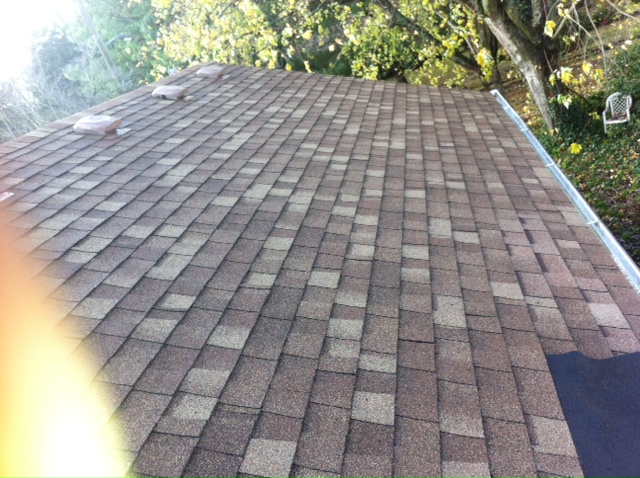
Composition shingle roof clean and moss-free after treatment

Clean Roof, After Treatment

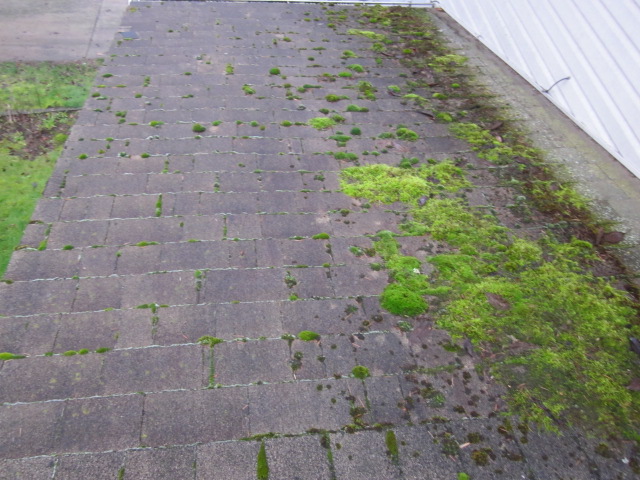
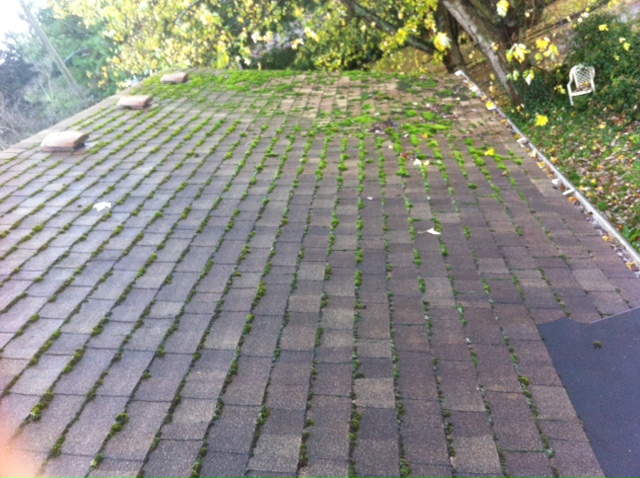
Green moss patches spreading across composition shingles before treatment

Moss Patches, Before

Common Questions

Eco-friendly Moss Treatment FAQs

Is the treatment safe for my pets and plants?
Yes. It's an OMRI-listed organic treatment, US-made, with no zinc, bleach, or peroxide — the active ingredient is potassium salts of fatty acids, essentially a soap. It's labeled safe for waterways, fish, gardens, plants, and animals, unlike zinc sulfate products, which are toxic to breathe and rough on plants and animals.
How long does a roof cleaning last?
Longer than a one-time scrub, but moss is going to try to come back every wet season in this climate — that's just Portland. Annual treatment, paired with regular gutter cleaning, is the best way we've found to keep it from re-establishing rather than just knocking it back for a few months.
Can you clean steep or hard-to-reach roofs?
Yes. We do tie-off work on steep-pitch roofs with proper safety gear — we're licensed (CCB# 214684), bonded, and insured, and we're not going to skip a section because it's harder to stand on.
Do you only clean roofs at certain times of year?
No — we clean roofs year-round. Fall through spring is when moss is actively growing and easiest to treat, but if your roof needs it in July, we're not going to tell you to wait for the rain. The truth is, you can get your roof cleaned and maintained just as well when it's cold and rainy as when it's warm and dry.
Why not just use zinc strips instead of paying for a treatment?
Because we don't believe zinc strips do much of anything. They rip off easily, get weather-damaged, and require nailing into your roof just to hang them. Annual treatment with regular gutter cleaning is the healthier, more reliable option — no nail holes required.
See More Eco-friendly Moss Treatment Before & Afters
Ready When You Are

Get your roof's moss looked at.

Every estimate includes an honest look at what your roof actually needs — moss treatment, repair, or in rare cases, a replacement conversation. We'll tell you straight either way.